
Expert Interceptor Services
Reliable Grease Interceptor Cleaning for Your Commercial Kitchen
Grease interceptors play a critical role in preventing kitchen waste from entering plumbing systems and municipal sewers. Over time, they accumulate grease, oil, and debris, reducing efficiency and causing backups or unpleasant odors. Our professional grease interceptor cleaning services ensure that your system operates at peak performance. Timely cleaning prevents clogs, maintains compliance with health and environmental regulations, and protects your kitchen from costly plumbing emergencies. We specialize in residential and commercial grease interceptors, providing thorough, efficient, and eco-friendly cleaning solutions.
Our certified technicians use advanced tools and techniques to remove all grease, sediment, and debris safely and efficiently. With flexible scheduling and comprehensive service, our professional grease interceptor cleaning services restore proper flow, maintain hygienic kitchen environments, and extend the life of your equipment. Trust us to keep your grease interceptor functioning smoothly, ensuring compliance, efficiency, and safety for your facility.
We're Eco Friendly
We’re proudly sustainable and environmentally conscious
Cost-Effective Solutions
Minimal effort, maximum efficiency- and cost effective
Local in San Bernardino
Serving LA, OC, San Bernardino, San Diego, Anaheim Etc.
We're Eco Friendly
We’re proudly sustainable and environmentally conscious
Cost-effective Solutions
Minimal effort, maximum efficiency- and cost effective
Local in SoCal
Serving LA, OC, San Bernardino, San Diego, Anaheim Etc.
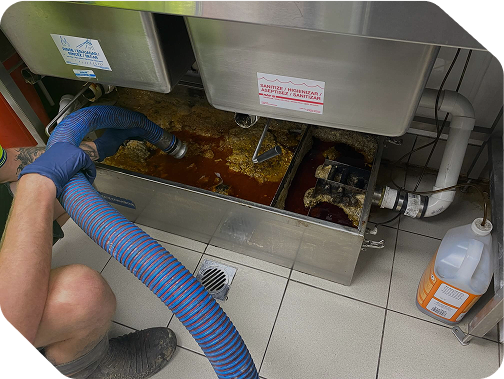
How we Service Grease Interceptors
We Eliminate Clogs, Odors, and Waste Buildup
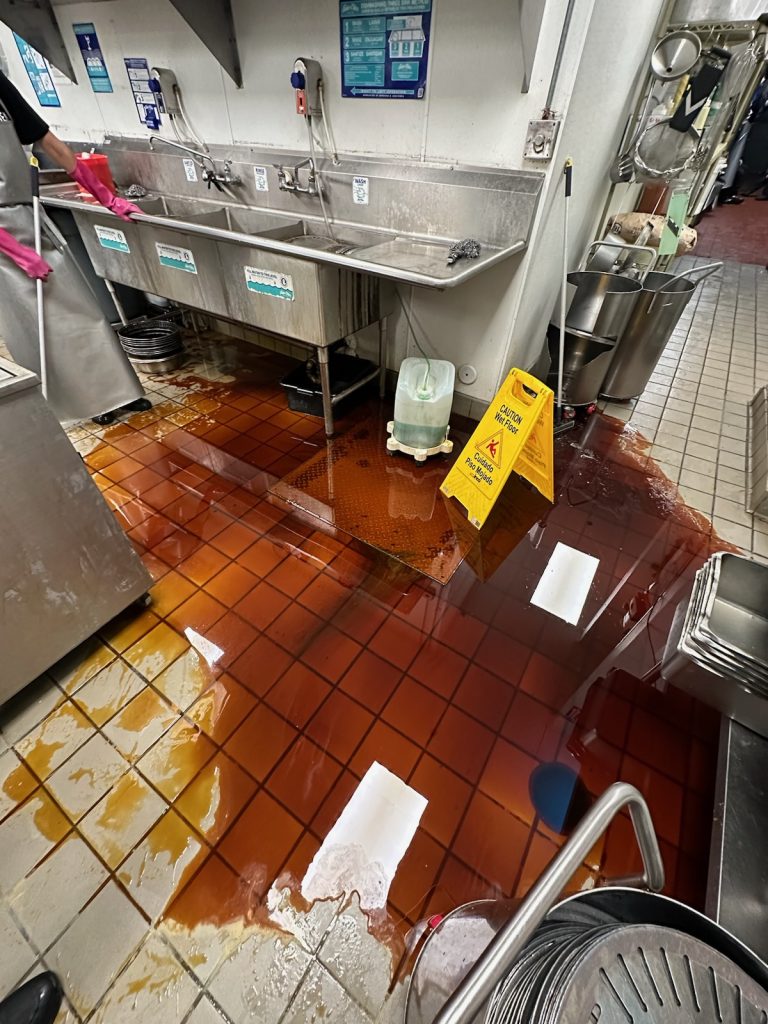
Grease interceptors can become clogged due to excessive grease buildup, food debris, or lack of regular maintenance. Clogged or dirty interceptors cause wastewater backups, unpleasant odors, and potential violations of health and environmental regulations. Our grease interceptor cleaning services remove grease, fats, oils, and solids, restoring proper function and preventing plumbing emergencies. We work with all sizes and types of interceptors, ensuring kitchens remain safe, hygienic, and operational.
Common problems we address include grease accumulation, sediment buildup, foul smells, and slow drainage. Our certified team inspects, cleans, and maintains the interceptor thoroughly, removing blockages and ensuring compliance with local regulations. Regular cleaning extends the lifespan of your equipment, prevents costly repairs, and maintains optimal kitchen hygiene. Choosing our professional grease interceptor cleaning services ensures efficient operation, reduces risks, and supports sustainable waste management practices.
Key benefits of Grease Interceptor Pumping
Why Schedule Interceptor Cleaning Services from TGC
Restaurants, commercial kitchens, and foodservice facilities benefit from regular grease interceptor cleaning. Proper maintenance prevents backups, odors, and regulatory violations. Our professional grease interceptor cleaning services maintain hygienic kitchens, ensure compliance with local regulations, and support sustainable waste management. Scheduled cleanings help kitchens operate efficiently, prevent costly repairs, and protect staff, customers, and plumbing infrastructure.
Key Benefits of Interceptor Cleaning
- Regular cleaning removes grease and debris, preventing blockages and wastewater overflow in kitchens.
- Proper maintenance eliminates foul smells caused by grease and food debris accumulation.
- Ensures adherence to local health and environmental regulations, avoiding fines or legal issues.
- Routine cleaning extends interceptor lifespan, reducing need for costly repairs or replacements.
- Maintains smooth kitchen operations, preventing downtime and ensuring hygienic conditions for staff and customers.
Schedule Grease Interceptor Cleaning Today for Safe, Efficient, and Compliant Kitchens
Don’t let a clogged or dirty grease interceptor disrupt kitchen operations or cause fines. Our professional grease interceptor cleaning services provide reliable, efficient, and environmentally responsible solutions for commercial and residential kitchens. Certified technicians remove all grease, debris, and buildup to restore optimal performance. Click below to schedule your cleaning appointment today and maintain hygienic, compliant, and fully operational kitchen plumbing systems.
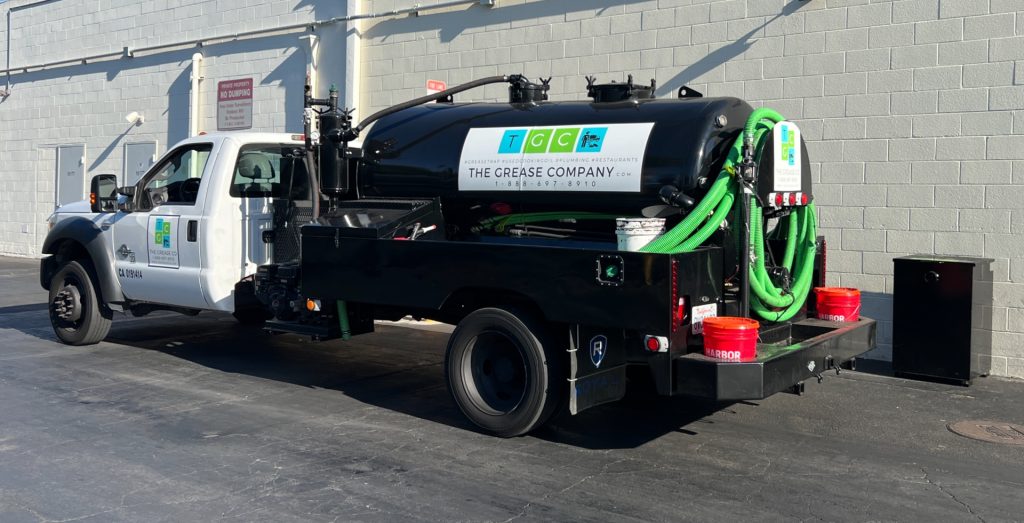
Our Process
Comprehensive Grease Interceptor Pumping
System Inspection
Evaluate interceptor condition and identify grease and debris accumulation.
Grease Removal
Pump and remove accumulated grease, fats, oils, and solids safely.
Thorough Cleaning
Scrub and clean internal walls and components to restore function.
Final Testing
Confirm proper flow and ensure interceptor operates efficiently without leaks.
System Inspection
Evaluate interceptor condition and identify grease and debris accumulation.
Grease Removal
Pump and remove accumulated grease, fats, oils, and solids safely.
Thorough Cleaning
Scrub and clean internal walls and components to restore function.
Final Testing
Confirm proper flow and ensure interceptor operates efficiently without leaks.
Get in Touch
Get Your Free Quote Today!
We’re here to make grease management simple and stress-free. Reach out today to schedule your service or ask any questions- our team is ready to help. Call, message, or book online at your convenience.
Frequently Asked Questions
Questions? Look Here..
What is a grease interceptor, and why is it important?
A grease interceptor, often referred to as a grease trap, is a plumbing device designed to capture fats, oils, and grease (FOG) from wastewater before it enters the sewer system. These substances can cause significant blockages and environmental issues if not properly managed. By separating FOG from wastewater, grease interceptors prevent clogs in plumbing systems, reduce the risk of sewer backups, and help businesses comply with local health and environmental regulations.
How often should a grease interceptor be cleaned?
The frequency of cleaning a grease interceptor depends on factors such as the size of the interceptor and the volume of FOG generated. As a general guideline, grease interceptors should be cleaned when the combined layer of grease and solids reaches 25% of the total liquid depth. This typically translates to cleaning every 1 to 3 months for most establishments. However, high-volume kitchens may require more frequent maintenance. Regular cleaning ensures optimal performance and compliance with local regulations.
Can I clean the grease interceptor myself?
While some small, under-sink grease traps can be cleaned manually, it’s generally recommended to hire a professional service provider for grease interceptor cleaning. Improper cleaning can lead to incomplete removal of FOG, potential damage to the interceptor, and violations of local health codes. Professional cleaners have the necessary equipment and expertise to perform thorough cleanings, ensuring compliance and preventing costly repairs or fines.
What happens if a grease interceptor isn't cleaned regularly?
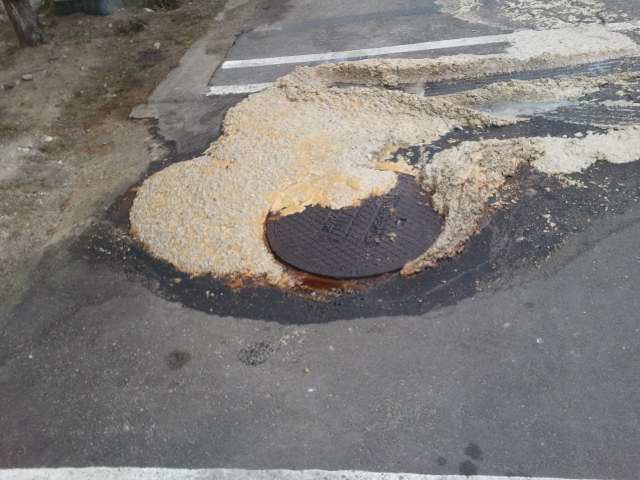
Neglecting regular cleaning of a grease interceptor can lead to several issues. Accumulated FOG can cause blockages in the interceptor and downstream plumbing, leading to slow drainage or complete backups. Overflows can occur, resulting in unpleasant odors, potential health hazards, and violations of local regulations. In severe cases, untreated FOG can enter the municipal sewer system, causing environmental damage and leading to significant fines for the business.
What is the difference between a grease trap and a grease interceptor?
The primary difference between a grease trap and a grease interceptor lies in their size and capacity. Grease traps are smaller devices typically installed under sinks in residential or small commercial settings, handling lower volumes of wastewater. Grease interceptors are larger, underground units designed for high-volume commercial kitchens, capable of handling significant amounts of wastewater. Both serve the same purpose of separating FOG from wastewater but are suited to different operational scales.
What should be done with the waste removed from a grease interceptor?
The waste removed from a grease interceptor, consisting of FOG and solids, must be disposed of in accordance with local regulations. Many waste management companies recycle this material into biodiesel or other products. It’s illegal to dispose of this waste down drains or in regular trash, as it can cause environmental harm and violate health codes. Professional cleaning services ensure that the waste is handled and disposed of properly, maintaining compliance and environmental responsibility.
How can I prevent grease buildup in my interceptor?
Preventing grease buildup involves implementing best practices in kitchen operations. Train staff to scrape food scraps into trash bins before washing dishes, use strainers to catch grease and solids, and avoid pouring large amounts of grease down drains. Regular maintenance, such as scheduling professional cleanings and using enzyme-based treatments, can also help break down FOG before it accumulates. By adopting these practices, businesses can extend the life of their grease interceptors and reduce maintenance costs.